


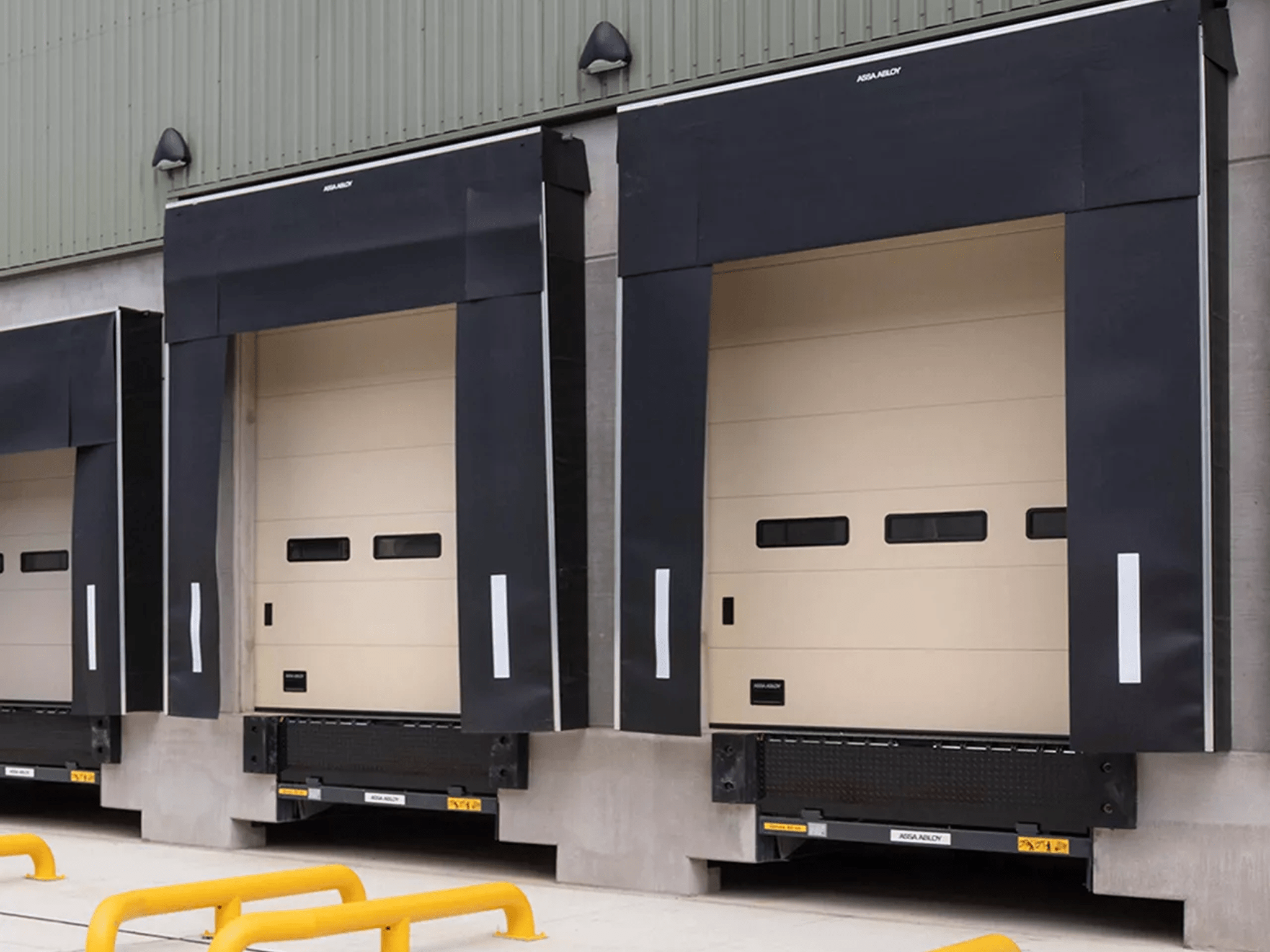
When it comes to storage and transport of temperature-sensitive goods like frozen food, medical supplies, produce, or dairy, maintaining a controlled climate is non-negotiable. The loading area is one of the most vulnerable points where temperature variations can occur, leading to spoilage and costly losses. That’s why facilities rely on durable rigid frame dock shelters to seal and protect refrigerated loading docks during transfer operations. These structures create a barrier that keeps cold air inside and hot air, pests, wind, and moisture out, ensuring product safety and energy efficiency.
What Are Durable Rigid Frame Dock Shelters?
Durable rigid frame dock shelters are heavy-duty protective enclosures installed around dock doors to maintain tight sealing between a trailer and the facility. Unlike standard fabric dock seals, rigid frame shelters use a sturdy structural framework that withstands high-volume use, constant truck pressure, and harsh external environments.
Key benefits include:
- Long-lasting construction with steel or reinforced aluminum frames
- Superior sealing capability to minimize airflow and temperature loss
- Versatility to accommodate different trailer sizes and widths
- Low wear and tear, even in high-traffic distribution hubs
These shelters are ideal for facilities where trucks back up frequently or where climate control is critical.
Why Refrigerated Loading Docks Need a Better Seal
Refrigerated loading docks are designed to preserve product quality throughout the handling process. Even a brief temperature fluctuation from poor sealing can compromise product integrity. Without proper dock shelters, refrigerated facilities face:
- Rapid cold air loss
- Increased energy consumption
- Higher risk of contamination
- Frost buildup on equipment
- Spoilage or product waste
Using durable rigid frame dock shelters significantly reduces these risks by maintaining consistent environmental control between warehouse storage and transportation trailers.
Improving Energy Efficiency and Safety
Well-designed shelters for refrigerated loading docks do more than preserve temperature—they reduce energy costs. By minimizing air exchange during loading, refrigeration systems don’t need to work as hard, resulting in lower electricity consumption and longer equipment lifespan.
Additionally, durable rigid frame dock shelters help:
- Prevent slip hazards from ice or condensation
- Block pests and airborne contaminants
- Reduce worker exposure to extreme temperatures
- Provide secure alignment between trucks and docks
In high-volume food distribution centers, pharmaceuticals, and cold-chain logistics, these benefits translate to major operational savings and improved safety compliance.
Choosing the Right Dock Shelter for Your Facility
When selecting a shelter for refrigerated loading docks, facilities should consider:
- Trailer variety and size range
- Frequency of dock usage
- Required sealing tightness
- Durability of frame materials
- Insulating properties of fabric panels
Industrial-grade durable rigid frame dock shelters offer the reliability needed to withstand daily wear from heavy trucks while providing a tight seal crucial for cold storage environments.
Final Thoughts
Efficiency, safety, and climate control are essential in any cold-chain operation. Investing in durable rigid frame dock shelters is a proactive solution that protects products, reduces utility costs, and ensures consistent performance at refrigerated loading docks. With the right system in place, warehouse operators can maintain temperature integrity during every stage of shipping and receiving—preserving product quality from dock to delivery.