


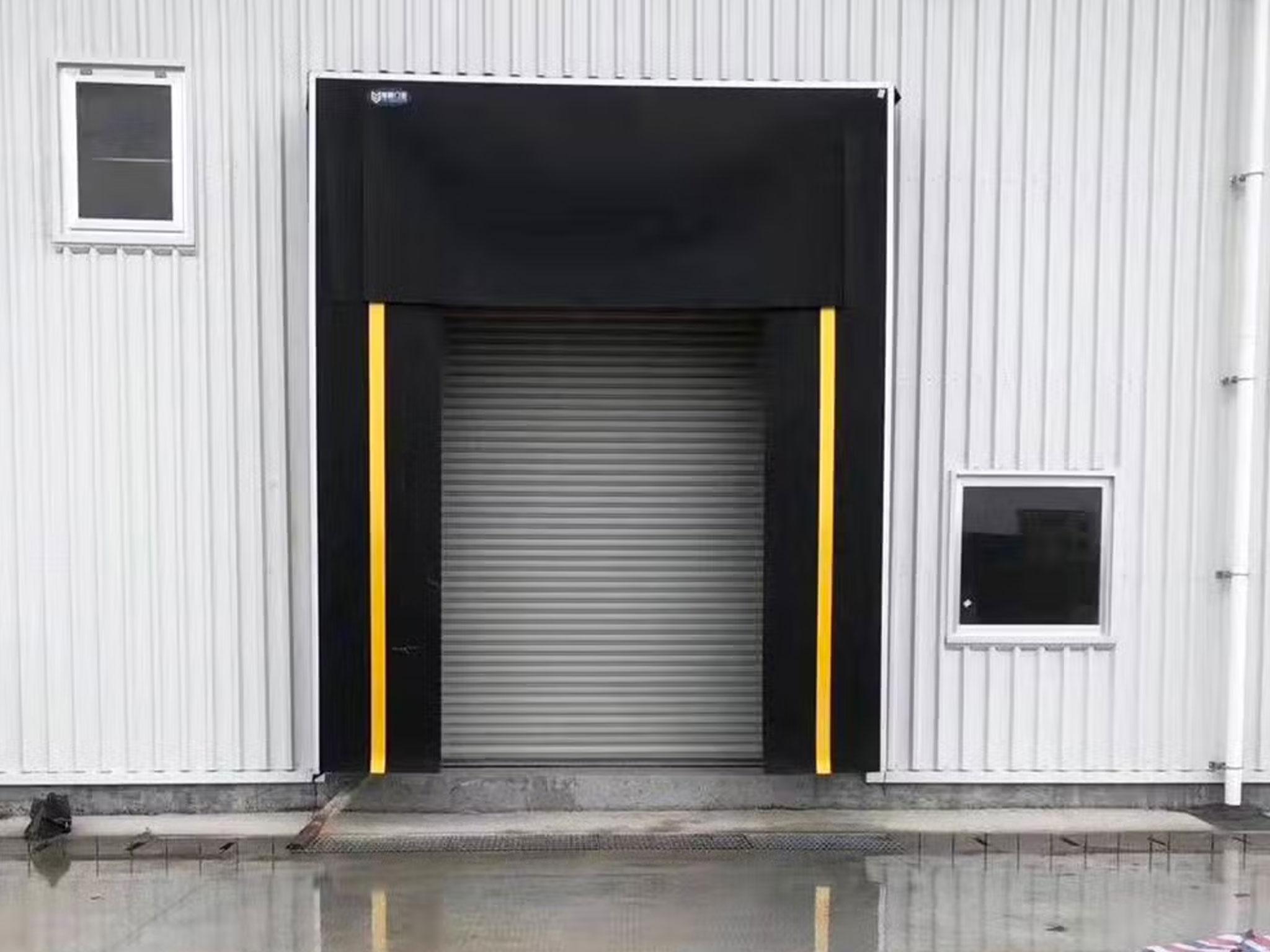
Loading docks are the heartbeat of any logistics, warehousing, or distribution operation. Every day, trailers pull up, goods are moved, and time is critical. But one key component that’s often overlooked — yet vital for performance, safety, and cost savings — is the installation of quality dock seals and dock shelters. At Ideal Seal Manufacturing, businesses gain access to industry-leading solutions that boost efficiency and protect operations.
What Are Dock Seals?
Dock seals are heavy-duty foam pads installed around the dock door opening to compress against a trailer as it backs in. This compression creates a tight, energy-efficient barrier that blocks outside air, rain, dirt, and pests from entering your facility. The foam pads are covered with robust vinyl and supported by treated wood and fiberglass stays for superior durability and performance.
Dock seals are ideal for facilities with standard-sized trailers and where maximizing energy efficiency and temperature control is a priority — especially in cold storage or climate-controlled warehouses. By sealing the gap between the dock and trailer, they significantly reduce HVAC energy loss, leading to lower utility costs over time.
What Are Dock Shelters?
Unlike dock seals, dock shelters don’t compress directly against the trailer. Instead, they are flexible enclosures made with heavy-duty fabrics and a supporting frame that forms a protective enclosure around the truck. This makes them highly effective for facilities that handle a variety of trailer heights and widths
There are different types of dock shelters, including:
- Rigid Frame Dock Shelters — strong structures ideal for high-traffic operations.
- Impactable Dock Shelters — combine flexibility with durability for busy docks.
Each type creates a barrier that keeps outdoor weather and contaminants out, while allowing easy access for loading and unloading trucks.
Dock Seals vs. Dock Shelters: What’s Best for Your Facility?
Choosing between dock seals and dock shelters depends on your operational needs:
- Dock Seals: Best for standard-sized trailers and tighter energy seals.
- Dock Shelters: Ideal for mixed fleets and frequent trailer size variations.
Dock shelters offer more flexible access, while dock seals provide a snugger, energy-saving contact. Some operations even pair both for maximum performance and climate control.
Key Benefits of Dock Seals & Dock Shelters
Whether you choose dock seals, dock shelters, or both, the advantages are substantial:
- Improved Energy Efficiency
Gaps around unsealed dock doors allow conditioned air to escape and outdoor air to enter. Dock seals and shelters minimize air leakage, which cuts down energy costs and maintains a stable internal climate — crucial for both comfort and inventory protection - Protection from Weather & Contaminants
Rain, snow, dust, and pests pose threats to goods and equipment. These dock systems provide reliable weather protection that helps preserve product quality, reduce contamination risks, and extend equipment life. - Enhanced Worker Safety and Comfort
Loading docks are high-traffic areas where weather exposure can lead to slips, fatigue, and occupational hazards. Seals and shelters create a safer environment that minimizes these risks and supports a productive workforce. - Operational Flexibility & Increased Productivity
Adaptable docking solutions allow businesses to handle varied trailer sizes and daily workflow demands with ease — improving throughput and reducing downtime.
Investing in dock seals and dock shelters from Ideal Seal Manufacturing isn’t just about better docking.